

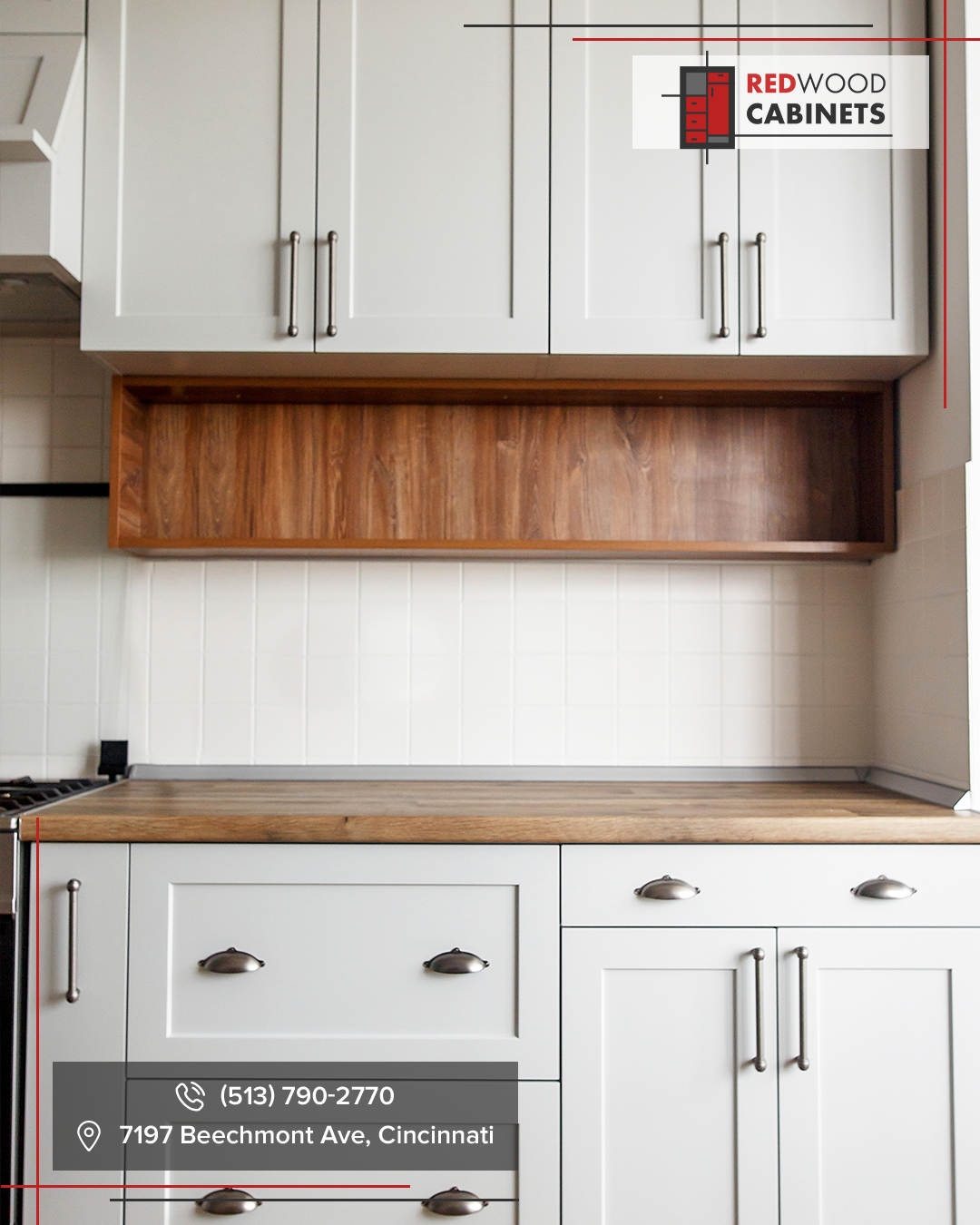
A remodel can look calm on Instagram, but in real life it’s a relay race. Cabinets don’t “go in” and magically become a finished kitchen. They have to align with floors that may not be perfectly level, countertops that must be templated to the exact cabinet footprint, and appliances that come with their own rules about clearance, ventilation, and cutouts. When these pieces don’t sync, the kitchen still gets built—but it starts to show stress: awkward gaps, tight door swings, misaligned reveals, and that nagging feeling that the room never quite clicked into place.
That’s why homeowners searching for cabinet fabricators in Florence, KY should think beyond door styles and paint colors. The real difference between a smooth project and a chaotic one is coordination—how the cabinetry team communicates with the countertop crew, the flooring contractor, and the appliance plan. At Redwood Cabinets of Cincinnati, we’ve seen that the kitchens that feel “high-end” aren’t always the ones with the most expensive finishes. They’re the ones where every trade worked from the same playbook.
This is how professional cabinet fabricators coordinate with countertops, flooring, and appliances so the finished space looks intentional—and functions like it was built that way from day one.
The Cabinet Fabricator’s Role: More Than Building Boxes
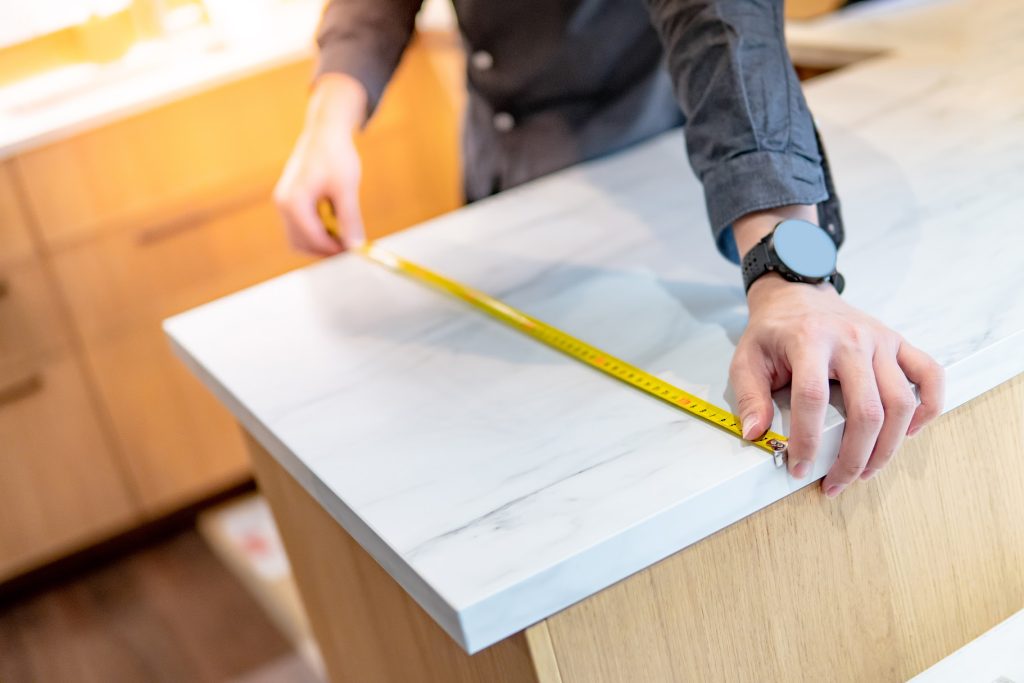
People often assume cabinet fabricators only build the cabinets. But in a real remodel, fabricators are the link between design and reality. They translate measurements into millimeter-level decisions: where the cabinet run starts and ends, how fillers will be used, how panels will land, how doors will clear appliances, and how a countertop will sit cleanly without surprises.
For homeowners choosing cabinet fabricators in Florence, KY, it’s worth understanding that cabinet coordination begins before a single cabinet is built. It starts with information—accurate, specific, and final enough to build around. That includes appliance model numbers, flooring thickness, and countertop material constraints. When those details aren’t gathered early, cabinets may still be fabricated—but the job becomes a series of workarounds later. Workarounds are where remodels lose time and polish.
At Redwood Cabinets of Cincinnati, the goal is to eliminate guesswork. The cabinetry is the backbone of the kitchen, and everything else touches it. If the backbone is planned without the rest of the body in mind, the remodel becomes stiff, awkward, and expensive to adjust.
Coordinating With Flooring: The Inches That Decide Everything
Flooring seems simple—until it becomes the reason cabinets don’t sit right. Flooring affects cabinet height, toe-kick alignment, dishwasher fit, and how clean the transitions look at the end panels. One of the most common coordination mistakes is installing cabinets without confirming the final flooring thickness and the sequence of work.
A professional team of cabinet fabricators in Florence, KY will ask early: Are you replacing the floor? What material are you using? Is it going under the cabinets or stopping at the toe kick? What’s the exact thickness including underlayment? These aren’t nitpicky questions. They prevent the kind of remodel pain homeowners remember for years.
If flooring is installed after cabinets, the floor may need to be cut precisely around toe kicks and panels, which can look messy if done poorly. If flooring goes under cabinets, the cabinet height and appliance clearances must be adjusted accordingly. A dishwasher, for example, needs enough vertical space to slide in and out. If the floor is thicker than expected, the dishwasher can get trapped—an issue that sounds minor until you’re paying someone to remove trim, lift cabinets, or replace a floor section.
At Redwood Cabinets of Cincinnati, cabinetry is planned with the flooring sequence in mind, because “we’ll figure it out later” is not a plan—it’s a delay waiting to happen. Good coordination makes the floor-cabinet transition disappear visually, which is exactly what you want: a kitchen that looks built-in, not assembled.
Coordinating With Appliances: Where Small Specs Prevent Big Mistakes
Appliances are the most unforgiving element in a kitchen because they come with fixed dimensions and strict installation requirements. The cabinet run must respect those dimensions—every clearance, every filler strip, every panel thickness. This is where cabinet fabricators protect you from the most expensive kind of error: cabinetry that doesn’t fit the appliances you already bought.
Homeowners often shop appliances separately, assuming “standard size” equals “standard fit.” It doesn’t. A range might be 30 inches nominal but require specific side clearances. A refrigerator might be counter-depth but still need space for door swing. A microwave drawer requires a precise cutout. A hood insert has its own rules. Even handles matter—some styles need more clearance than you’d expect.
That’s why experienced cabinet fabricators in Florence, KY will insist on appliance model numbers early. It’s not to slow you down. It’s to speed the project up later. When a cabinet team designs around real specifications, you avoid filler strips that look accidental, awkward appliance gaps, and the worst-case scenario: having to reorder cabinets because the appliance doesn’t fit.
At Redwood Cabinets of Cincinnati, appliance coordination also includes the “invisible” details: where outlets will land so they don’t interfere with drawer boxes, how a dishwasher will align with finished panels, and whether a panel-ready fridge needs specific door weight support. These details don’t show in a photo—but they’re the reason the kitchen feels smooth in real use.

Coordinating With Countertops: The Moment Precision Matters Most
Countertops are where cabinet coordination becomes visibly permanent. Countertops are templated based on the cabinets as installed—not the sketch, not the plan, the real run on the wall. If cabinet installation is even slightly off, the countertop will faithfully copy those mistakes.
A skilled team of cabinet fabricators in Florence, KY coordinates the sequence like this: cabinets are installed, leveled, and fully secured; panels and fillers are completed; sink base and any specialty cabinets are finalized; then countertop templating happens. That order matters because the template captures the final conditions. If you template too early, changes in cabinet alignment can throw off the fit. If you template too late, you lose time.
Countertop coordination also includes overhang decisions, support requirements, and appliance interactions. A waterfall edge needs different planning than a standard top. A large overhang on an island may need hidden support. A farmhouse sink changes how the sink base is built and how the cutout is approached. Even the edge profile can affect how tight everything feels around appliances.
At Redwood Cabinets of Cincinnati, countertop coordination is treated as a partnership, not a handoff. The cabinet work sets the stage so the countertop crew can template cleanly, fabricate accurately, and install without last-minute improvisation.
The “Trade Dance”: How Scheduling Protects Your Timeline
Even when every measurement is correct, poor scheduling can still wreck a project. Cabinet fabrication and installation has lead times. Flooring may require acclimation. Countertops have templating and fabrication windows. Appliances may arrive late or get backordered. If no one is managing the sequence, the remodel turns into waiting: waiting for cabinets, waiting for countertops, waiting for the plumber, waiting for the electrician to move an outlet that ended up behind a drawer.
This is where the best cabinet fabricators in Florence, KY stand out: they understand that coordination is partly communication and partly calendar discipline. They ask what trade is happening when. They confirm that rough plumbing and electrical are where the cabinetry plan expects them to be. They flag conflicts before they become delays.
At Redwood Cabinets of Cincinnati, we’ve seen projects speed up simply because the sequence was clarified early. When everyone knows when cabinets go in, when counters get templated, and when appliances are installed, the remodel stops feeling like chaos and starts feeling like progress.
How Cabinet Fabricators Prevent “Finish-Line” Problems
Some issues only appear when everything is almost done. A drawer that hits a range handle. A door that conflicts with a dishwasher panel. A countertop overhang that makes seating uncomfortable. A toe-kick line that doesn’t match because flooring thickness changed midstream. These are the finish-line problems that make homeowners feel like they paid for new cabinets but didn’t get a “finished” kitchen.
Quality cabinet fabricators in Florence, KY prevent these issues by treating the project like a system. They don’t plan cabinets in isolation. They plan cabinets as the center point where flooring, countertops, and appliances meet.
At Redwood Cabinets of Cincinnati, we also focus on final tuning: alignment, reveals, and drawer performance after the space settles. Doors and drawers should feel smooth and look consistent, because that’s what makes cabinetry feel expensive—precision that holds up under daily use.

What You Should Provide to Keep Coordination Smooth
Homeowners can make coordination dramatically easier by providing three things early: appliance model numbers, flooring material and thickness details, and countertop material choice (even if the exact slab is selected later). These three inputs allow cabinet fabricators to design accurately, schedule intelligently, and prevent most “surprise” conflicts.
If you’re working with cabinet fabricators in Florence, KY, don’t be afraid to ask how they coordinate with other trades. The best teams can explain their process clearly—because they have one.
At Redwood Cabinets of Cincinnati, we believe the best kitchens are the ones that look effortless. But effortless results don’t happen by accident. They happen because coordination was handled like a craft—measured, planned, communicated, and executed with the same care that goes into building the cabinets themselves.
When cabinet fabricators coordinate well with countertops, flooring, and appliances, your remodel doesn’t just get finished. It gets finished right—with clean transitions, smooth function, and a kitchen that feels like it belongs to the house, not like it was squeezed into it.
Cabinet fabricators in Florence, KY can make a kitchen look good. The best ones make it look inevitable—like it was always meant to be that precise. And that level of cohesion is exactly what Redwood Cabinets of Cincinnati aims to deliver.